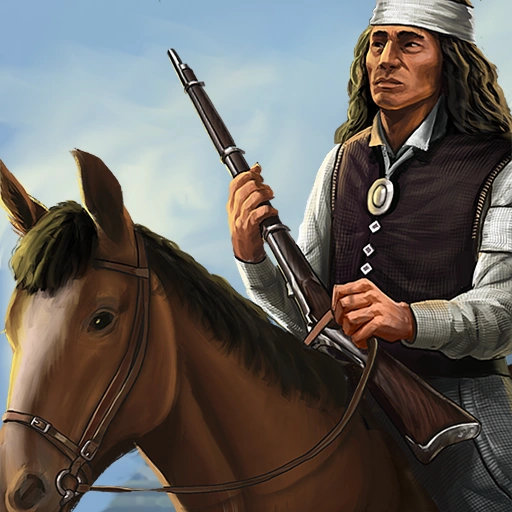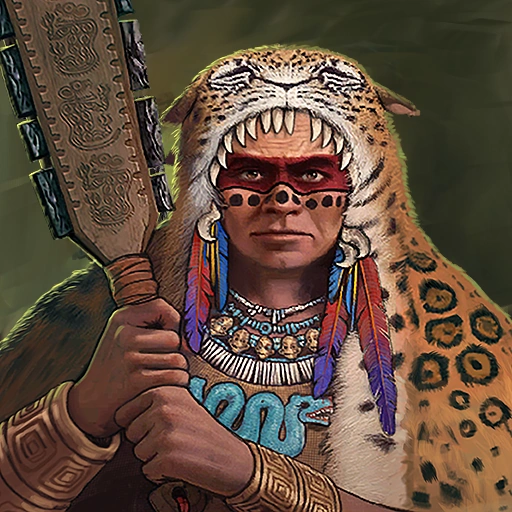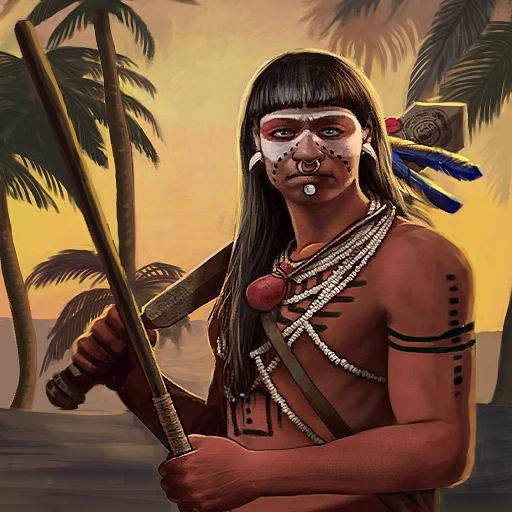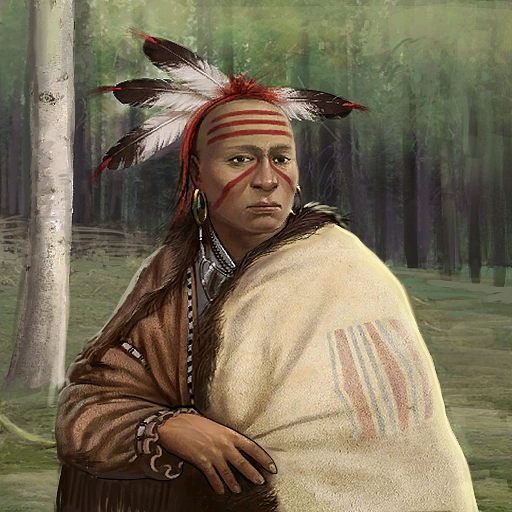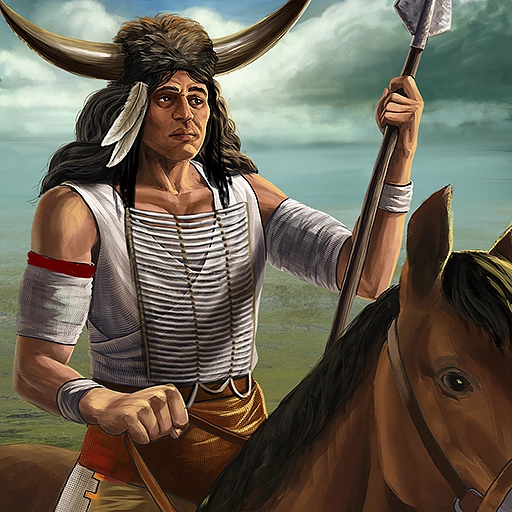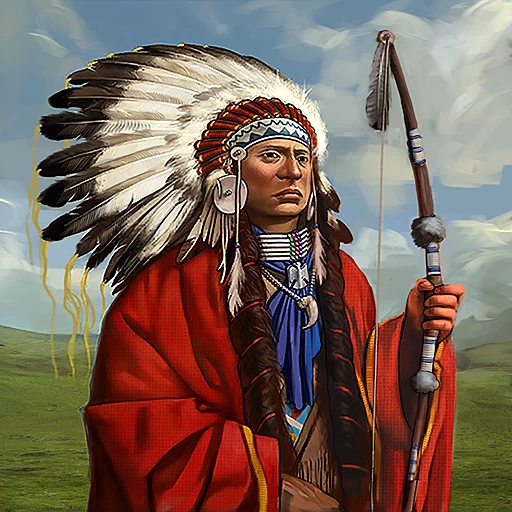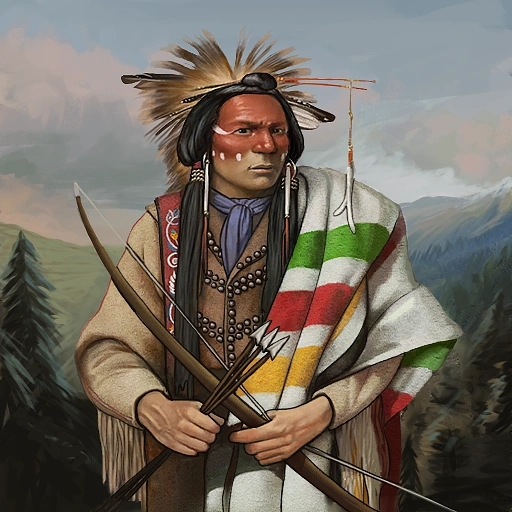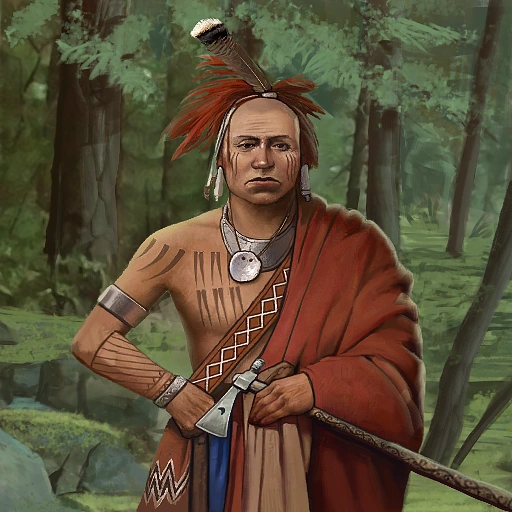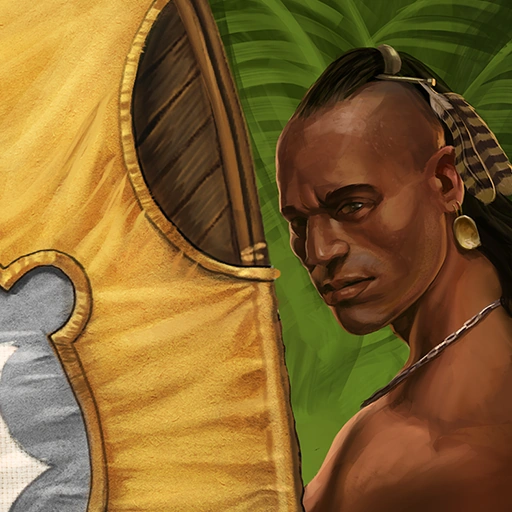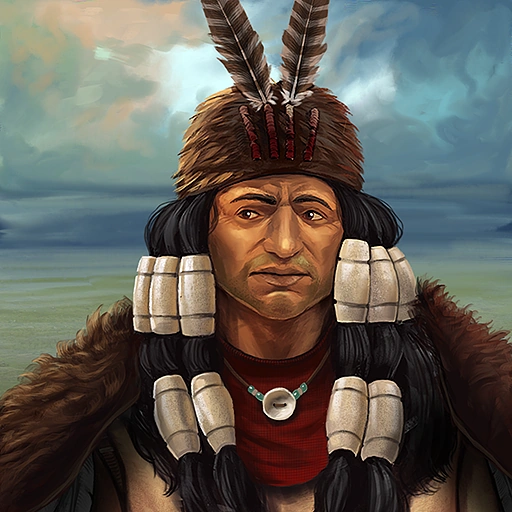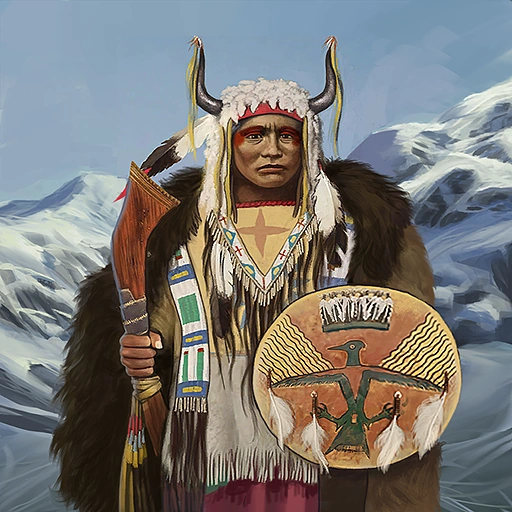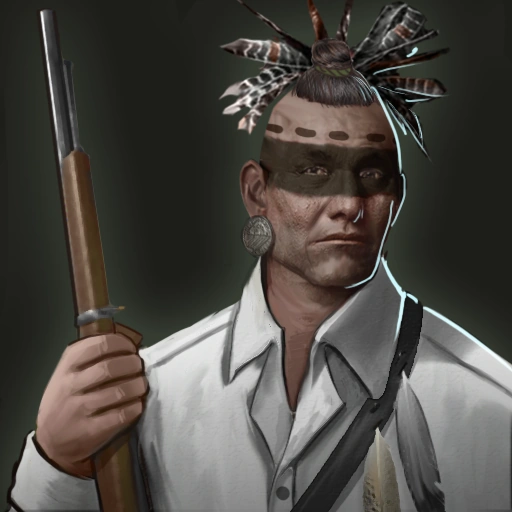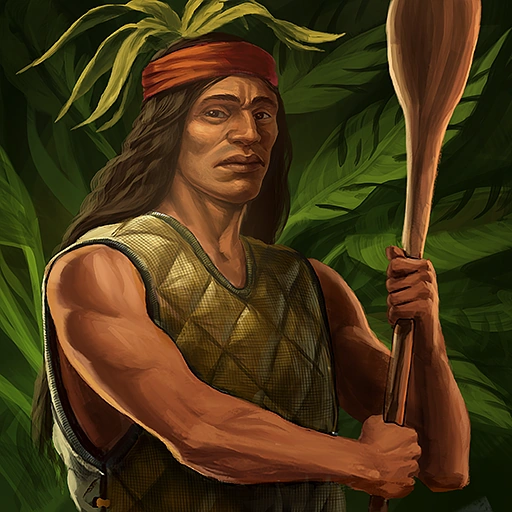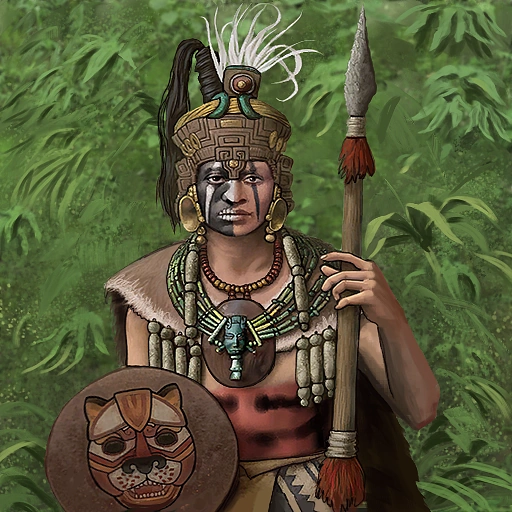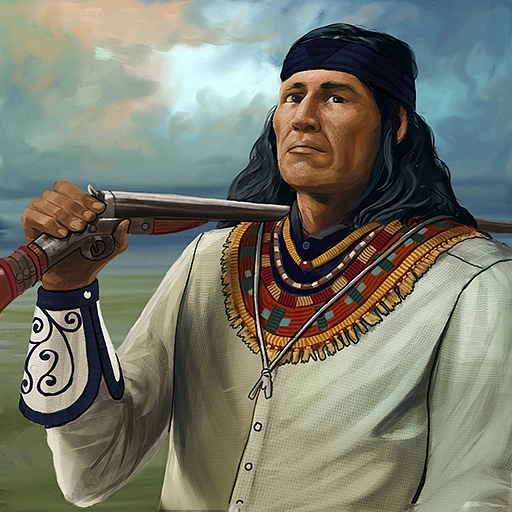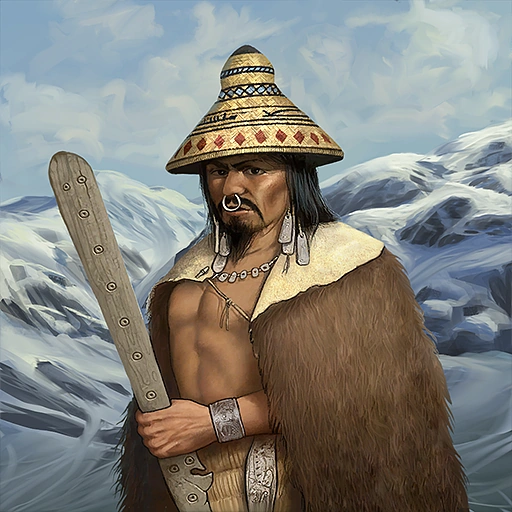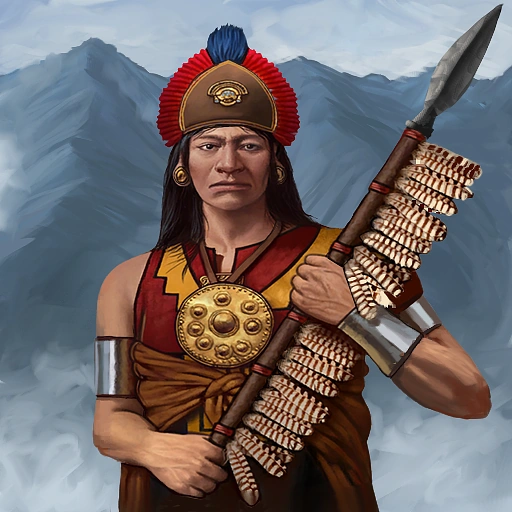
The Mapuche are a Native American tribe featured in Age of Empires III, introduced in The WarChiefs expansion. Like all natives, they can be allied with by building a Trading Post at their Trading Post site.
Units[]
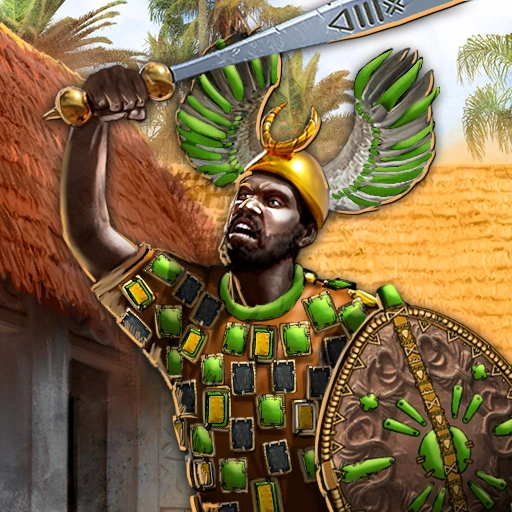
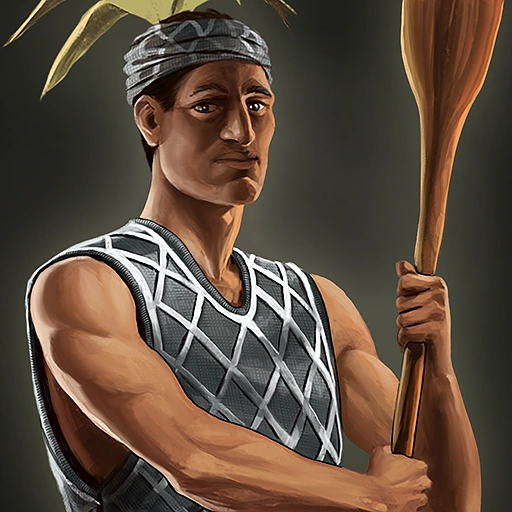
 Mapuche Ironwood Clubman: Mapuche warrior with a large two-handed club.
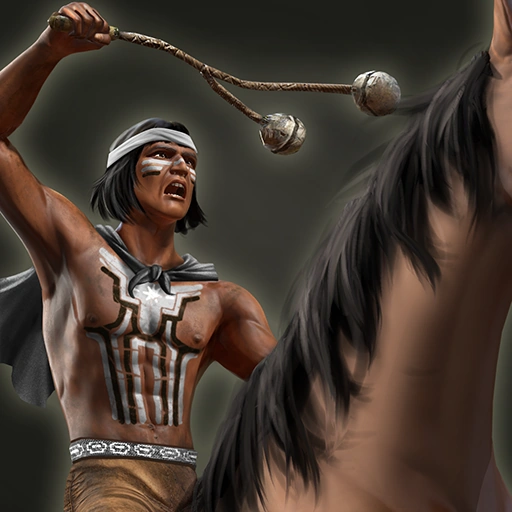
- Mapuche Bolas Rider: Mapuche ranged cavalry who hurls bolas to slow down enemies and inflict splash damage. Good against cavalry. (Definitive Edition onwards)
Improvements[]
Mapuche improvements focus on increasing coin reserves and anti-building attacks.
| Age | Technology | Cost | Effect |
|---|---|---|---|
 |
 Mapuche Ad-mapu Mapuche Ad-mapu
|
250 wood 250 coin |
All units cost -10% coin |
 Mapuche Tactics Mapuche Tactics
|
200 food 200 wood |
Hand infantry get +50% siege attack | |
 |
 Mapuche Treaty of Quillin Mapuche Treaty of Quillin
|
225 food 225 wood |
Ships 100 coin for every 2 minutes the game has passed, up to 30 minutes |
Strategy[]
The Mapuche focus on improving coin economy and hand infantry. Mapuche Ad-mapu reduces the coin cost of all military units, and Mapuche Treaty of Quillin ships crates of coin based on game length.
Mapuche Tactics increases the siege attack of all hand infantry. This is useful for civilizations with strong hand infantry, such as the Aztecs, Germans, Incas, Japanese, and Spanish.
Its two military units, the Mapuche Ironwood Clubman and Mapuche Bolas Rider, are useful units against heavy cavalry and shock infantry. The first is a powerful melee unit with Area of Effect damage, and the second is a ranged cavalry also with area of effect damage. The two units are good against heavy cavalry and infantry when supported by other units, especially ranged infantry.
In-game dialogue[]
The Mapuche language, Mapudungun, is an isolated language (not related to any language).
- Select 1 Makmo - Boast
- Select 2 Chem? - What?
- Move 1 Kümel - To be Well
- Attack 1 Yafün - Strength!
History[]
| “ | The Mapuche lived in the modern-day countries of Argentina and Chile and were among that region's first settlers. Hunting, gathering, and small farm plots where they cultivated crops such as potatoes provided most of their food. The Mapuche typically lived in small, widespread communities oriented around family units. Their homes, known as rukas, were wooden huts with thatched roofs. In times of war, the Mapuche would band together for protection in larger groups and choose a "toqui" as leader. The relative stability the Mapuche lived in for centuries was shattered by the encroach of the Spanish during the sixteenth century. The Spanish believed they could easily conquer the Mapuche and their lands. They were mistaken. The Mapuche were fierce warriors, skilled with the hand axe, and consistently battled back the Spanish. After more than a century of warfare, the Spanish admitted defeat and signed a treaty granting the Mapuche rights to their own lands. | ” |
Gallery[]